
Dental appointments get most of the attention, but most oral health is built in the hours between them. Brushing, denture cleaning and a watchful eye for anything that looks or feels wrong happen every day, and in residential aged care that daily work is shared between several people. Understanding who does what makes it easier to see where each person fits.
The Resident
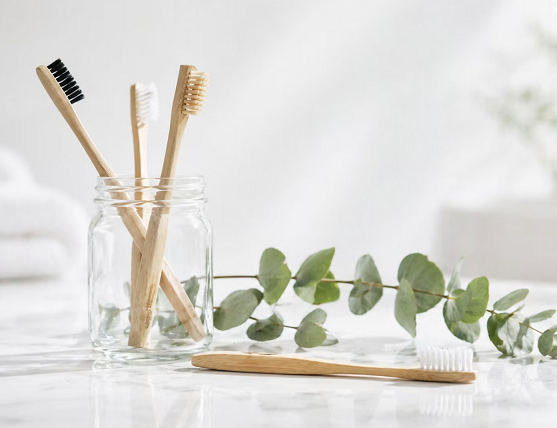
The Aged Care Quality and Safety Commission publishes a fact sheet for residents that keeps the basics short. Teeth are brushed twice a day with a soft toothbrush and fluoride toothpaste. Dentures are cleaned with soft soap and a soft denture brush, taken out at night and stored dry in a lidded container with no water.
Residents are encouraged to ask for help when they need it, and the care team can prompt brushing, hand over a toothbrush with toothpaste on it, help with the brushing or clean the dentures. Any discomfort or pain in the mouth or teeth is something to mention to the care team straight away, and residents can choose who they see for regular check-ups, whether that is a previous dentist, an external dentist or a visiting dentist.
Care Staff and the Dental Practitioner
The same body’s fact sheet for staff links daily oral care to the personal and clinical care standard that aged care providers work to. Oral care is meant to be part of the daily routine, with staff supporting residents to brush, to remove and clean dentures and to rinse the mouth with water after eating.
When something does not look right, the guidance is to act on it promptly and, with the resident’s permission, contact a dental practitioner. Where travelling to appointments is difficult, some facilities arrange care through a mobile dentist in Bendigo, which means the dentist comes to the resident and the visit may fit more easily around the daily routine.
That arrangement does not change the daily work. A visiting dentist can examine and advise, but the routine of brushing and denture care still happens in the days and weeks between visits.
Family and Anyone Who Helps
Relatives and friends who visit may be the first to notice things: a denture that has started to rub, a resident eating less than usual or a mouth that seems sore. The top tips for older adults from Oral Health Victoria offer a useful checklist for anyone in that position.
Sugary foods and drinks are best kept to mealtimes instead of being spread across the day, and tap water is a good everyday drink because most of Victoria’s tap water contains fluoride. Pain from dentures, bleeding gums, or any sores, lumps or discoloured patches in the mouth are all reasons to see a dentist, and a pharmacist, doctor or dentist can say whether a regular medicine might be causing a dry mouth.
When the Routine Is Hard to Keep
Some residents find daily mouth care difficult, whether because of pain, stiffness or confusion. The staff guidance says that a resident with cognitive impairment who resists oral hygiene care should be seen by a dental practitioner for an assessment, and that the practitioner can then show staff how to provide care.
The same tips make a related point. If brushing is not possible because of physical or other issues, the advice is to ask a dentist. That advice works because the answer depends on the person, and a dentist who has looked at the person’s mouth can suggest a way forward that general guidance cannot.
Keeping the Routine Going
Frequency of check-ups also varies from person to person. The tips add that it depends on individual risk, which is a conversation to have with a dentist. In a facility, it can be useful for the resident, family and staff to share one understanding of what the routine is, who is responsible for each part and when a dentist is next expected.
Good mouth care in aged care rarely comes down to one big event. It tends to be many small, consistent actions by several people, with a dentist visit adding clinical judgement at the right moments. The information here is general and drawn from published guidance, and it does not replace advice from a dentist who has seen the person concerned.