
Clinical Educational Overview
The information provided in this article is for general educational purposes and should not replace an individualised, face-to-face consultation with a qualified health practitioner. Any lower limb discomfort, joint stiffness, or persistent pain requires a professional clinical assessment to determine an appropriate, evidence-based management plan.
When people hear the term “movement assessment” or “gait analysis,” they frequently picture elite athletes running on treadmills surrounded by motion-capture cameras. High-performance sport has certainly popularised biomechanical testing, but the underlying principles apply to everyday human movement. You do not need to be training for a marathon or playing competitive field sport to benefit from understanding how your body distributes force during daily tasks.
Whether walking to the train station, standing for long shifts on hard factory floors, or keeping up with young children, your lower limbs absorb thousands of ground-impact forces every day. Evaluating movement mechanics provides critical insights for anyone seeking to move comfortably, prevent chronic physical fatigue, and maintain long-term physical independence.
Moving Beyond Athletic Performance: Movement in Daily Life
Every step you take requires a complex kinetic interaction between bones, joints, muscles, and soft tissues. During a standard walking gait, the foot must act first as a flexible shock absorber during heel contact, and then transform into a rigid lever to propel the body forward.
When structural misalignments or subtle muscular imbalances exist, the body compensates naturally to keep you moving. However, these compensations shift unnatural physical stress upward into the ankles, shins, knees, hips, and lower back.
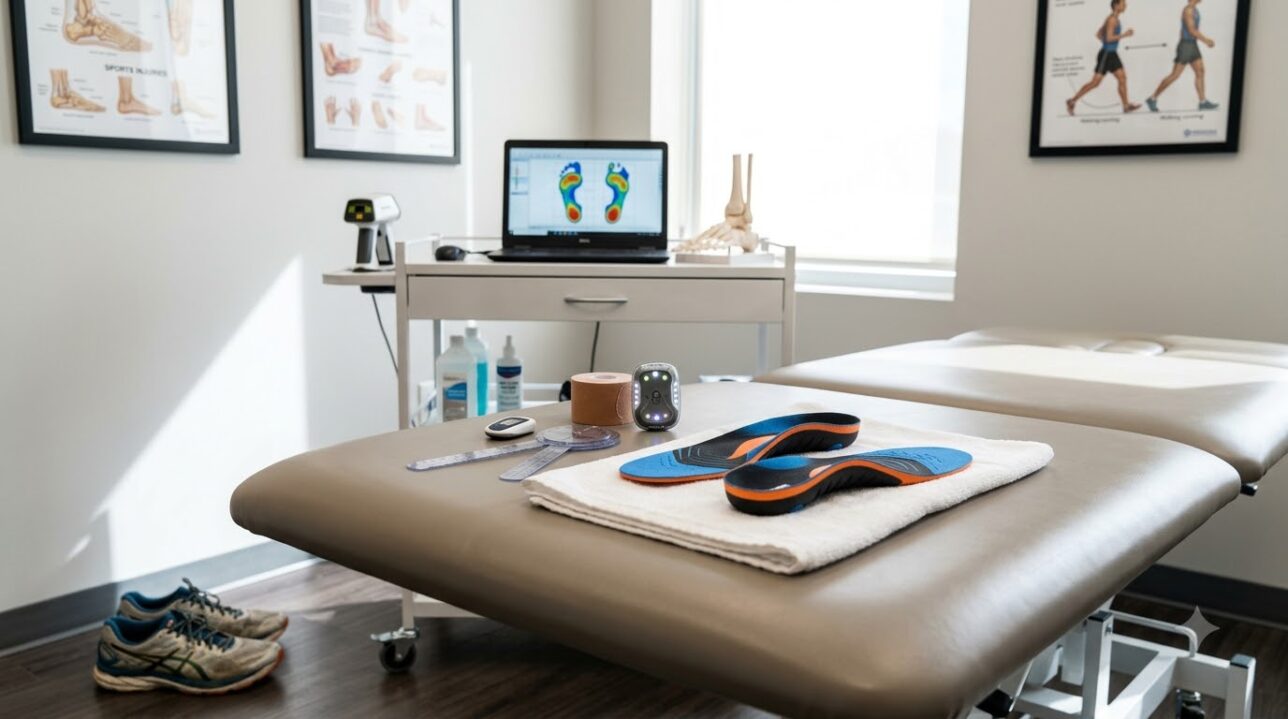
Consulting an experienced podiatry clinic Melbourne residents rely on for biomechanical evaluations helps identify these subtle mechanical compensations early. Pinpointing areas of structural strain allows individuals to address movement inefficiencies before they escalate into persistent joint or tendon irritation.
Key Daily Scenarios Where Movement Evaluation Delivers Value
Biomechanical assessment evaluates how structural alignment and muscle function interact during real-world movement. Several non-athletic scenarios benefit significantly from this clinical approach:
- Occupational Standing & Worksite Fatigue: Tradespeople, healthcare workers, retail staff, and hospitality personnel who spend six to ten hours standing on concrete or hard floors frequently experience lower limb exhaustion. Movement evaluations identify areas of peak pressure distribution across the sole, allowing for targeted offloading strategies.
- Post-Injury Rehabilitation & Gait Compensation: Following an ankle sprain, knee injury, or surgical procedure, people naturally alter their walking stride to protect the recovering area. Even after the initial injury heals, this compensatory gait pattern often persists, placing unnatural stress on the opposite leg or adjacent joints.
- Support for Healthy Ageing & Balance: As structural joint flexibility and muscular strength naturally change over time, subtle shifts in walking stride can impact stability. Evaluating stride symmetry and foot-ground contact helps maintain balance and steady walking confidence.
- Persistent Morning Heel Stiffness: Waking up with sharp heel or arch discomfort is often tied to tight calf musculature or excessive inward arch collapse (hyper-pronation) during walking. Biomechanical testing pinpoints the exact physical load driving the tissue strain.
Evidence-Based Approaches to Restoring Kinetic Balance
Addressing movement imbalances does not require restrictive or complex interventions. A thorough clinical assessment informs a tailored, progressive plan designed around an individual’s lifestyle:
- Dynamic Video Gait Analysis: High-speed video recording captures walking stride mechanics frame by frame, pinpointing exact joint angles, foot-strike patterns, and structural timing.
- Custom Prescription Support: When structural alignment requires correction, custom orthotic devices can be engineered from precise digital models to redistribute physical pressure and support the arch structure.
- Targeted Strengthening & Mobility Drills: Exercises focusing on intrinsic foot muscles, calf resilience, and hip stabilisers help reinforce joint stability during everyday walking.
- Functional Footwear Guidance: Selecting daily footwear with appropriate torsional stability, heel counter support, and proper width protects delicate joint structures from unwanted compression.
By viewing movement assessment as a foundational health check rather than a tool reserved strictly for athletes, individuals can protect their joint longevity, navigate daily routines without unnecessary discomfort, and maintain mobility for years to come.
References
- Australasian Podiatry Council (APodC): Clinical Practice Guidelines for Lower Limb Assessment and Biomechanical Management.
- Australian Health Practitioner Regulation Agency (AHPRA): Section 133 Guidelines for Advertising Regulated Health Services and Ethical Medical Practice.
- Journal of Foot and Ankle Research: The Relationship Between Foot Posture, Kinematics, and Lower Limb Overuse Issues.