
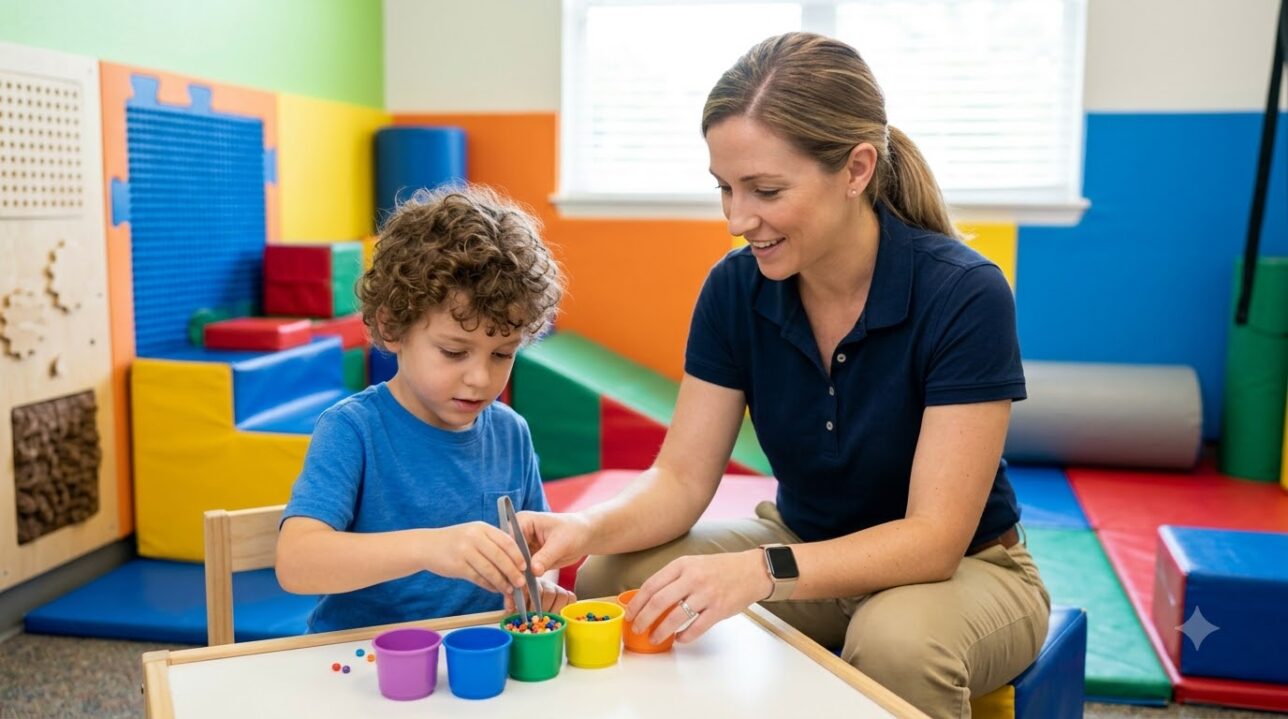

When parents and carers first explore therapy options for their child, a common question arises: how do activities performed during a weekly therapy session translate into real-world progress? Whether a child is working on fine motor coordination, emotional regulation, sensory processing, or executive functioning, the ultimate goal of paediatric allied health is not simply performance inside a clinic room. The true value lies in how those emerging strengths empower a child in their primary daily environments: at home with family and in the classroom alongside peers.
Children navigate complex physical, social, and sensory demands throughout their daily routines. Morning preparation, sitting through structured school lessons, negotiating playground rules, and completing evening tasks all require a sophisticated blend of motor planning, sensory modulation, and cognitive focus. By taking a holistic, child-centred approach, paediatric occupational therapy builds foundational capabilities that support authentic participation across every setting.
Bridging the Gap Between Clinical Sessions and Everyday Life
Therapy sessions provide a supportive, low-pressure environment where children can explore new tasks, build physical resilience, and develop personal self-advocacy skills. However, long-term developmental growth occurs when these strategies are embedded directly into a child’s natural daily spaces.
Partnering with experienced practitioners offering children’s occupational therapy Townsville families access ensures that therapy goals align directly with real-world routines. When therapists, parents, and educators work collaboratively, the skills practiced during structured sessions are reinforced consistently during morning dressing, classroom writing tasks, and afternoon family meals.
Translating Therapy Strategies into Home Routines
Home is a child’s primary sanctuary, yet everyday domestic routines can sometimes present sensory or organisational challenges. Morning transitions, mealtime routines, personal hygiene tasks, and bedtime shifts all require complex task sequencing and emotional readiness.
Occupational therapy sessions break these multi-step daily activities down into manageable, predictable steps:
- Sensory Regulation for Daily Transitions: Children who experience sensory overload during morning preparation or noisy mealtimes learn to recognise their body’s early warning signals. Therapists work with families to design calming sensory movement breaks or create quiet spaces at home, helping children maintain a balanced state of regulation.
- Self-Care and Functional Independence: Tasks such as tying shoelaces, fastening buttons, using cutlery, and managing school bag packing rely heavily on fine motor strength, bilateral coordination, and visual-spatial awareness. Guided practice during therapy builds the hand strength and motor planning needed to complete these tasks independently.
- Predictable Environmental Structuring: Simple modifications, such as introducing visual schedule boards, color-coded task steps, or ergonomic seating during homework time, reduce cognitive fatigue and foster daily self-sufficiency.
Supporting Classroom Participation and Academic Readiness
The school environment demands a continuous balancing act between physical endurance, social negotiation, and sustained cognitive focus. From holding a pencil comfortably to managing the noisy environment of a busy school hall, children are constantly processing environmental inputs while striving to learn.
Tailored therapy sessions support school-based participation across several key functional areas:
- Postural Control and Fine Motor Mechanics: Sitting upright at a desk requires strong core stability and shoulder endurance. Therapists use engaging physical activities to build the postural foundation needed for fluent handwriting, scissor control, and comfortable desk work.
- Executive Functioning and Organisation: Navigating a school day requires planning ahead, managing desk materials, and switching smoothly between different subjects. Therapy sessions incorporate multi-step games and visual checklists that teach children how to organize their thoughts, break down complex assignments, and manage time effectively.
- Playground Social Connection and Shared Play: Group therapy sessions and collaborative play activities create opportunities for children to practice turn-taking, perspective-taking, and cooperative communication in a safe, guided setting, boosting their confidence during school recess and lunch breaks.
Collaborative Alignment Between Therapists, Parents, and Teachers
The most successful therapeutic outcomes occur when everyone in a child’s support network speaks the same language. Open communication between occupational therapists, parents, and classroom teachers ensures that accommodations are practical, respectful, and easy to maintain.
By sharing observations, celebrating progress, and refining strategies together, adults can create a supportive circle around the child. Rather than expecting a child to fit into a rigid environmental mould, this collaborative approach adapts the surroundings to match the child’s natural learning style, building a lasting foundation of belonging, self-esteem, and everyday independence.