
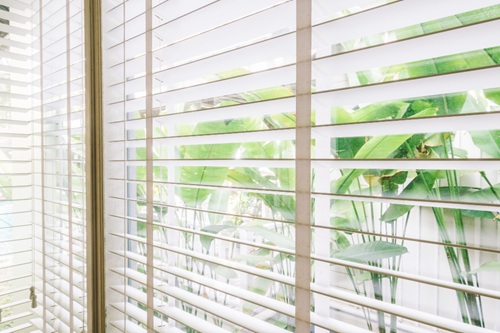

When it comes to upgrading your outdoor space, choosing the right blinds can make a massive difference in comfort, privacy, and long-term value. Whether you’re creating a cosy alfresco area or protecting your patio from harsh Aussie weather, the decision often comes down to ziptrak blinds vs traditional outdoor blinds. But which one actually delivers better performance? This guide breaks it down in a practical, no-nonsense way—based on real-world usage, expert insight, and what actually works in Australian conditions.
Understanding the Basics of Outdoor Blinds
Before diving into comparisons, it’s important to understand what each option offers.
What Are Ziptrak Blinds?
Ziptrak blinds are a modern outdoor blind system that uses a track-guided mechanism. The fabric is securely held within side channels, eliminating gaps and flapping. They are designed for smooth operation without zips, ropes, or pulleys, along with strong wind resistance and a clean, sleek aesthetic.
What Are Traditional Outdoor Blinds?
Traditional outdoor blinds include roller blinds with straps or ropes, café blinds (clear PVC), and manual crank systems. They’ve been around for decades and are typically more budget-friendly, but they lack some of the advanced features found in newer systems.
Key Differences at a Glance
| Feature | Ziptrak Blinds | Traditional Outdoor Blinds |
| Operation | Spring-balanced, track-guided | Manual straps, ropes, or crank |
| Wind Resistance | High | Moderate to low |
| Sealing | Gap-free | Gaps common |
| Aesthetic | Sleek and modern | Basic to average |
| Maintenance | Low | Moderate |
| Cost | Higher upfront | More affordable |
Performance Comparison: What Really Matters
1. Weather Protection
In Australia, weather can be unpredictable—from strong winds to intense sun. Ziptrak blinds excel because they are fully sealed on the sides, have no flapping or rattling in wind, and provide better rain protection. Traditional blinds often leave gaps on the sides, can flap during windy conditions, and are less effective in heavy rain. Verdict: Ziptrak wins for durability and protection.
2. Ease of Use
Nobody wants to struggle with blinds every time the weather changes. Ziptrak blinds glide smoothly up and down with no cords or tangling and can stop at any height. Traditional blinds require manual tying or cranking, offer less precise control, and can wear out faster. Verdict: Ziptrak is far more user-friendly.
3. Aesthetic Appeal
Outdoor areas are an extension of your home, so looks matter. Ziptrak blinds feature a clean, minimal design with no visible cords or zips and offer customisable fabrics and colours. Traditional blinds are functional but less refined, with visible mechanisms and limited modern styling. Verdict: Ziptrak offers a more premium finish.
4. Long-Term Value
While upfront cost is important, long-term value matters more. Ziptrak blinds require a higher initial investment but come with lower maintenance and a longer lifespan. Traditional blinds are cheaper upfront but may need repairs or replacement sooner, leading to higher maintenance over time. Verdict: Ziptrak often works out better over the long run.
Pros and Cons Breakdown
Ziptrak Blinds
Pros: Excellent wind and weather resistance, smooth and simple operation, modern appearance, long-lasting. Cons: Higher upfront cost, professional installation required.
Traditional Outdoor Blinds
Pros: Affordable initial cost, simple installation, widely available. Cons: Less durable in harsh weather, can look outdated, more maintenance required.
Real-Life Scenarios: Which One Should You Choose?
Scenario 1: Coastal Homes
If you live near the coast where wind is strong and constant, go for ziptrak blinds as they handle wind pressure far better and won’t flap or tear easily.
Scenario 2: Budget Renovations
If you’re working with a tight budget, choose traditional outdoor blinds as they offer basic protection without a big upfront cost.
Scenario 3: Entertaining Areas
If you frequently host BBQs or outdoor gatherings, ziptrak is the better option as it creates a more enclosed, comfortable, and stylish space.
Scenario 4: Rental Properties
For landlords or temporary setups, traditional blinds can be sufficient as they are cheaper and easier to replace if needed.
How to Choose the Right Option (Step-by-Step)
Step 1: Assess Your Environment
Consider wind exposure, sun intensity, and rain frequency.
Step 2: Define Your Budget
Look at both upfront and long-term costs.
Step 3: Think About Usage
For daily use, ziptrak is better; for occasional use, traditional may suffice.
Step 4: Prioritise Aesthetics
If you want a premium outdoor look, choose ziptrak.
Step 5: Consider Maintenance
If you prefer low upkeep, ziptrak is easier to maintain.
Checklist: Quick Decision Guide
Choose ziptrak blinds if you want maximum weather protection, a sleek modern outdoor space, long-term durability, and easy operation. Choose traditional outdoor blinds if you want a budget-friendly solution, basic sun and rain protection, and a temporary setup.
Common Mistakes to Avoid
Focusing only on price can lead to higher repair costs later. Ignoring wind conditions is a major mistake in Australia. Overlooking installation quality can affect performance even with high-quality blinds.
Frequently Asked Questions (FAQ)
Yes, especially if you value durability, ease of use, and a modern look. They are a long-term investment that often pays off.
They can last a few years, but typically not as long as ziptrak blinds, especially in harsh weather conditions.
Yes, their track-guided system keeps the fabric secure, making them highly resistant to wind.
No, they require minimal cleaning and occasional checks, making them a low-maintenance option.
Ziptrak blinds are generally better for patios because they create a more enclosed and comfortable environment.
Conclusion
If you’re after performance, durability, and a premium outdoor experience, ziptrak blinds are clearly the better choice. They outperform traditional blinds in almost every category, especially in Australian weather conditions. However, if budget is your main concern and you only need basic coverage, traditional outdoor blinds can still do the job. Before making your final decision, take a close look at your outdoor space, weather exposure, and long-term goals. Investing in the right blinds now can transform how you use your space for years to come.